min read
This guide outlines the scope and implications of DCF commitments, as well as how companies can effectively implement them, with a focus on actionable insights and due diligence.
The EUDR requires producers to produce commodities in accordance with the relevant legislation of the country in which they operate. Compliance requires more than country risk profiles and supplier questionnaires. Discover how true compliance means verifying legal production down to the plot level.
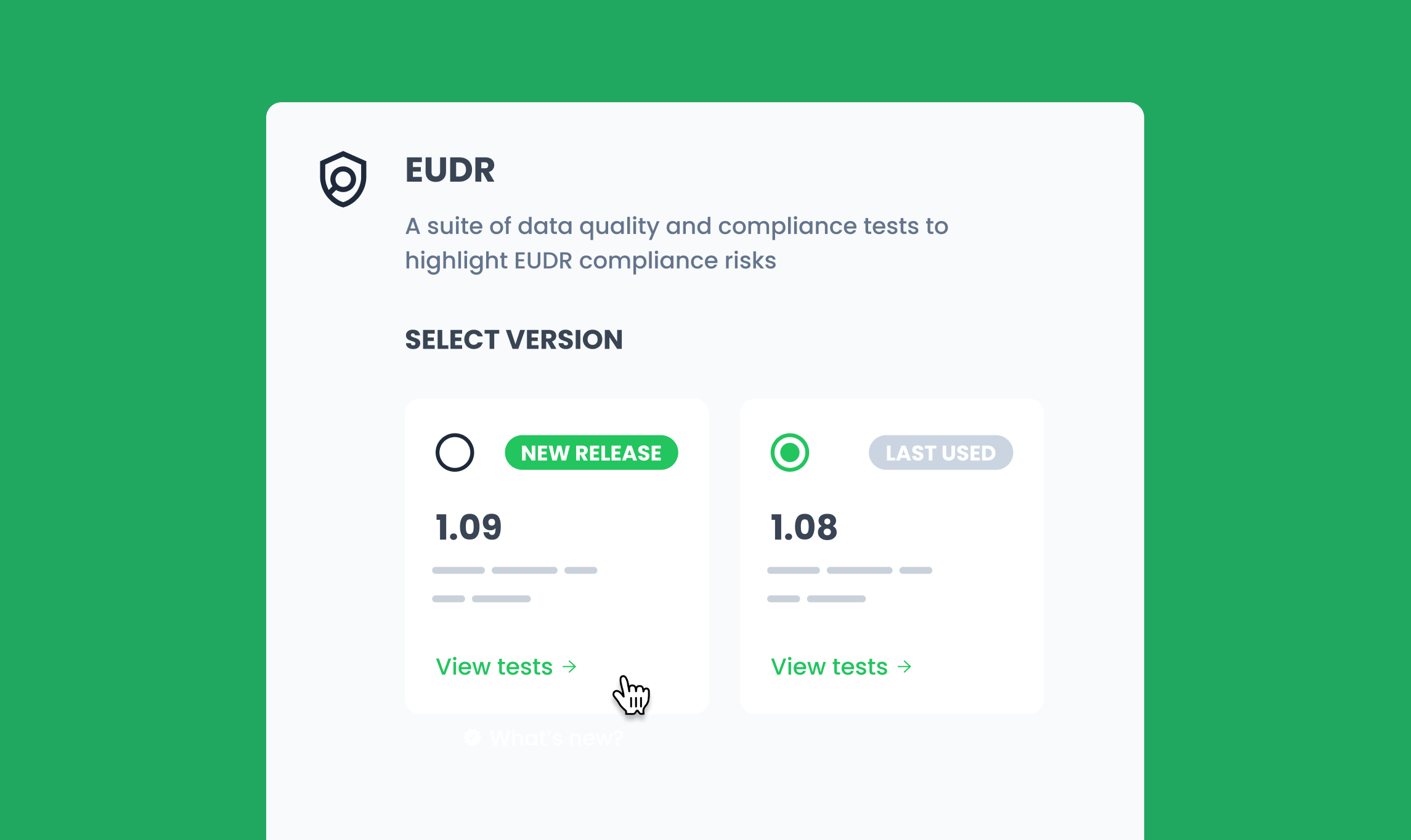
Three new updates are now live in Meridia Verify, each aimed at making deforestation and legality checks clearer, more reliable, and easier to build into your existing tools and workflows.
We are now commodity-agnostic and can verify all of your commodities—all supported under the data quality profile—so you can validate everything from spices to sunflower oil without leaving the platform.
Our brand-new risk dashboard for Verify provides a clear view of key compliance risks at a glance.
The EUDR categorises every country into one of three risk categories: low, standard, or high. Understanding where your suppliers sit on that scale is now the starting point for any credible due diligence programme. This is what you need to know.
7 min read
3 min read
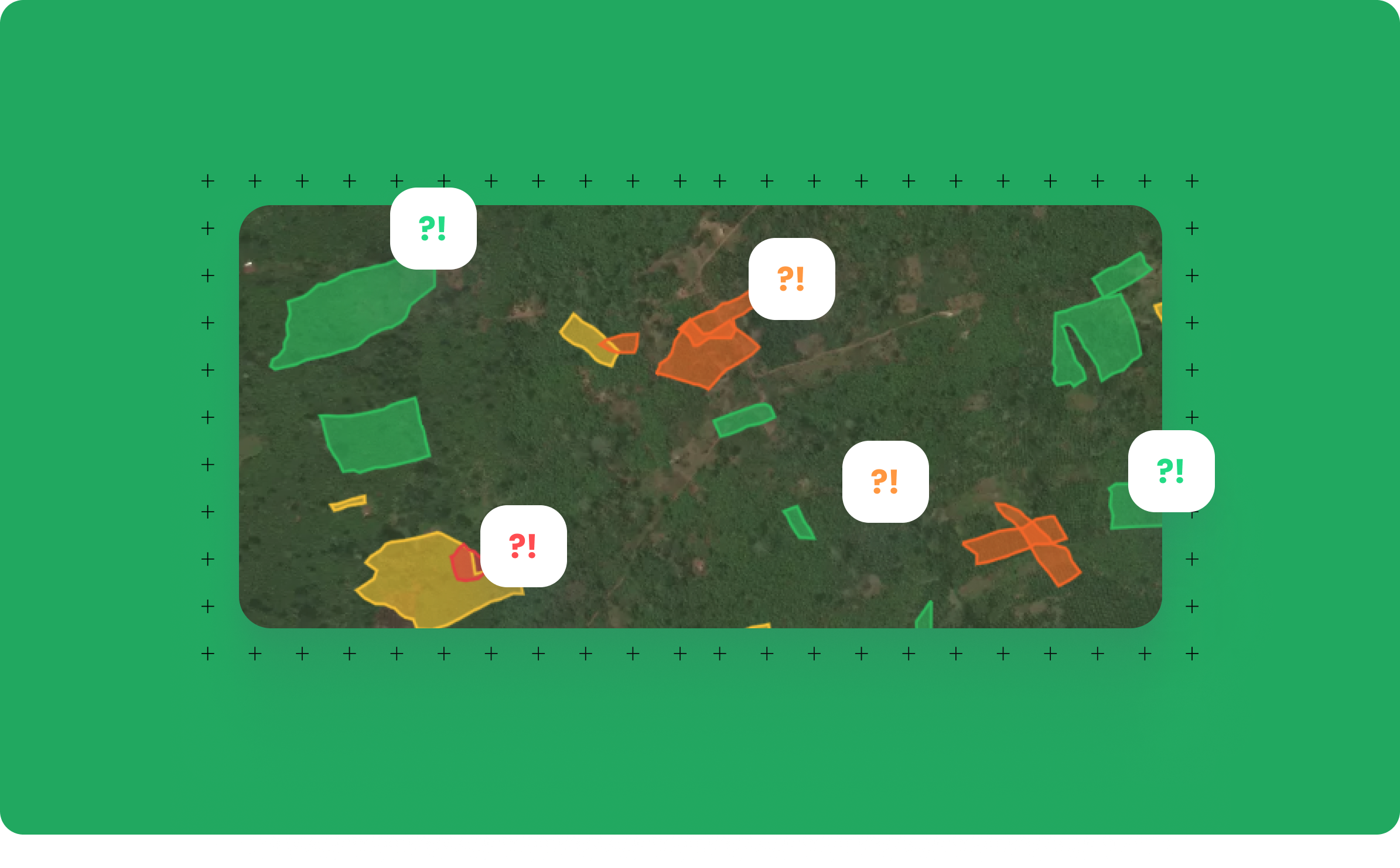
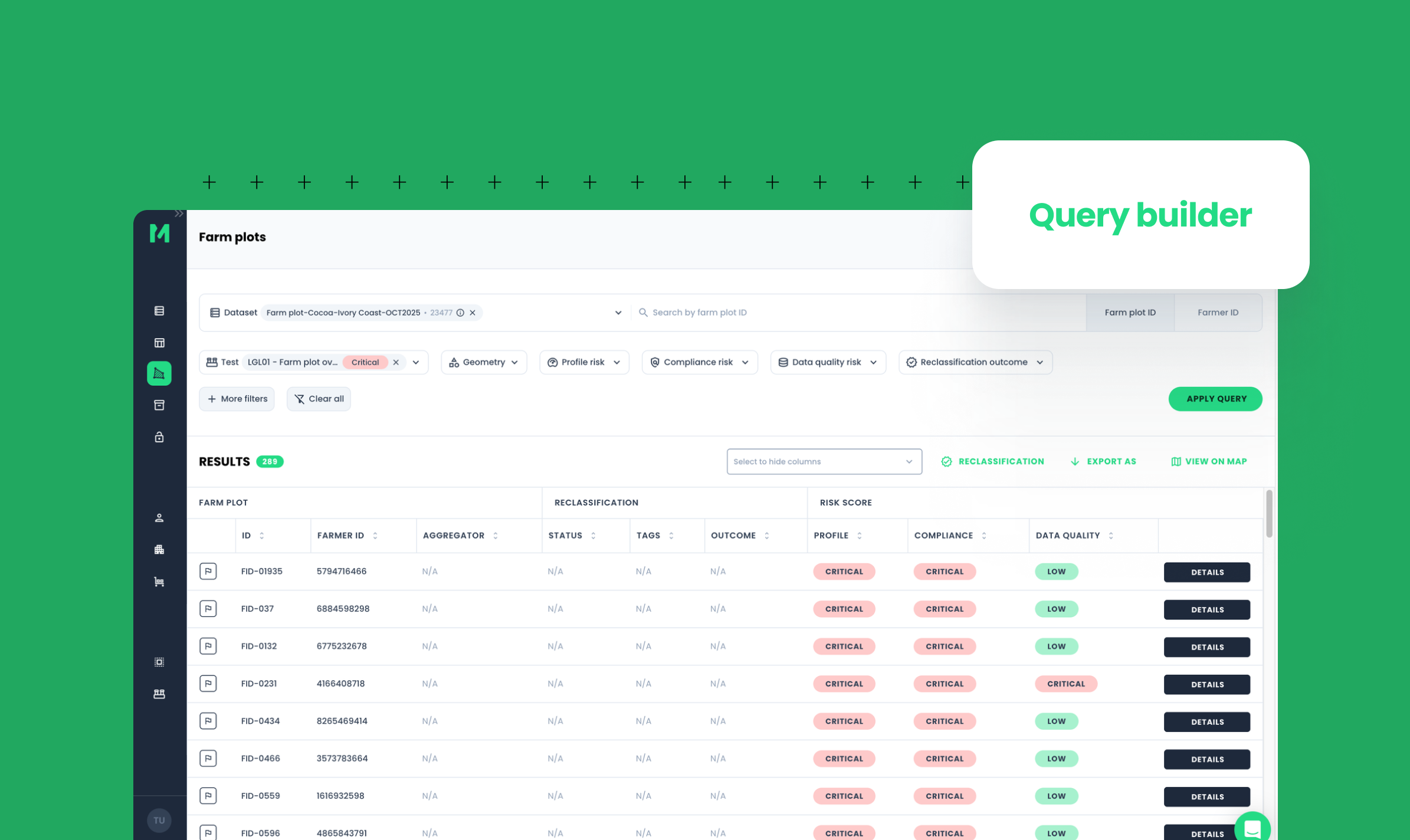
We’ve updated how deforestation and compliance risks are identified, scored and prioritised so that you can act faster and more confidently.
This article gives a straightforward overview to help coffee stakeholders understand what’s expected. It includes coffee-specific insights and practical steps to prepare for EUDR compliance.